Solar lights may look sustainable—but many of them aren’t.
When homeowners choose solar landscape lighting, it’s often because they want an eco-friendly option. On the surface, these inexpensive lights seem ideal: they harness sunlight, require no wiring, and run automatically from dusk to dawn. But while the intention is good, the impact often isn’t.
The truth is, most solar lights sold for under $20—commonly found at big-box stores and lining suburban pathways—are anything but green. Their short lifespan, non-recyclable materials, toxic batteries, and poor lighting performance all contribute to environmental harm. In contrast, a professionally designed low-voltage LED system is a far more sustainable—and high-performing—choice.
Here’s why:
1. Cheap Materials That Don’t Last
Most low-cost solar lights are made of low-grade plastics that quickly degrade under sun exposure. Many fail within just 1–2 years, leading to constant replacements. Unlike professional landscape fixtures made from 316 stainless steel, brass, copper, or marine-grade aluminum, these materials aren’t built to last—and they’re not recyclable either.
According to a 2018 EPA report, only 9% of plastic waste in the U.S. is actually recycled. The rest ends up in landfills, contributing to the 146 million tons of plastic discarded every year.
Each failed solar fixture becomes part of that problem.
2. Toxic Batteries That Pollute Soil and Water
Every solar light includes a small rechargeable battery—usually nickel-cadmium or lithium-ion. These batteries are rarely recycled properly, and once the light fails, they’re often thrown in the trash.
A 2020 study in the Journal of Hazardous Materials highlights the risks of these discarded batteries, including the leaching of cadmium and other toxic chemicals into the soil and water supply.
Professionally installed low-voltage systems avoid this entirely. They rely on centralized power sources with proper disposal protocols and minimal battery use—meaning far less environmental risk.
3. Contributes to Light Pollution
While solar lights may seem “gentle,” their low-quality LEDs often exceed the 3000K color temperature recommended by the International Dark-Sky Association. This harsh bluish light can disrupt wildlife and human sleep cycles.
Even worse, many of these lights use omnidirectional fixtures, sending light upwards and sideways instead of downward—contributing to light trespass and night sky pollution.
A 2016 Science Advances study connected this kind of light pollution to serious ecological issues, including disoriented migratory birds and disrupted insect populations.
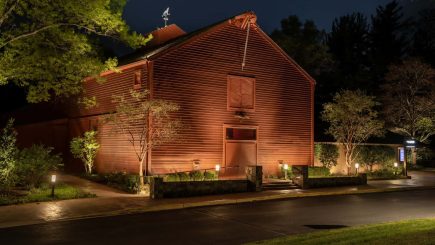
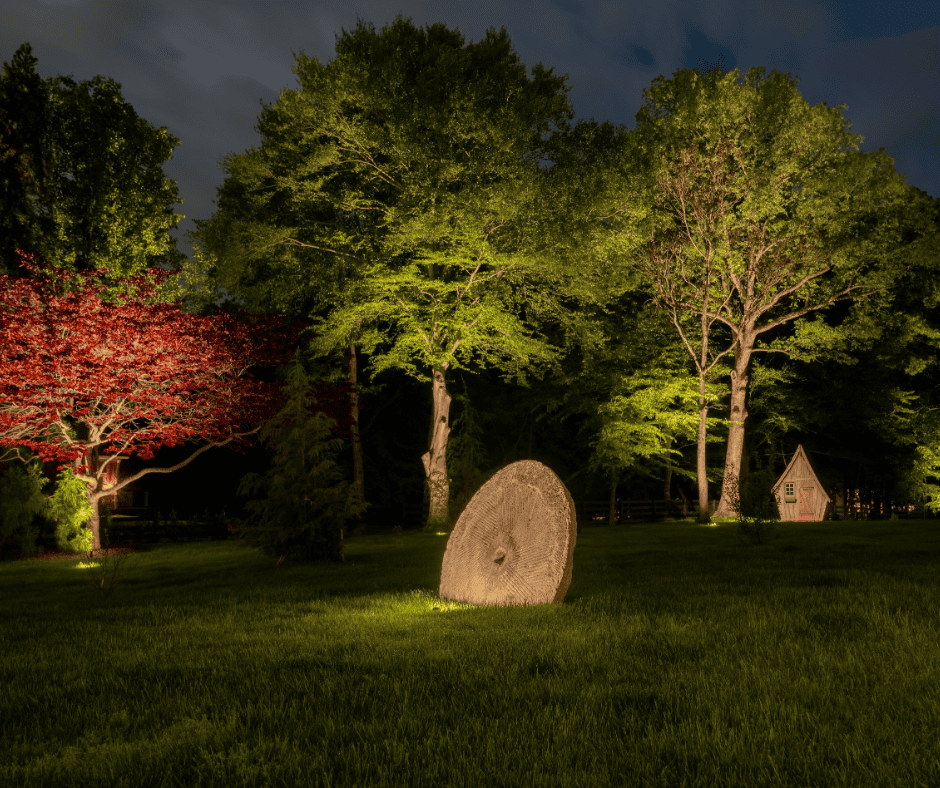
Professionally designed systems use shielded, directional fixtures and warm-tone LEDs (2700–3000K), complying with Dark Sky principles to reduce glare and protect the nighttime environment.
4. Wastes Energy by Running All Night
Most solar lights are on from dusk to dawn, regardless of whether the light is needed. While that sounds harmless, it creates unnecessary brightness that affects both ecosystems and sleep rhythms.
Low-voltage LED systems, on the other hand, run on as little as 0.5 to 3 watts per fixture—and they offer smart control systems that turn off the lights at set times, like 11:00 PM or midnight.
The energy cost? Typically just $1–$5/month. The environmental impact? Far lower than the waste and toxicity of disposable solar lights.
The Truly Green Choice for Homeowners Who Care
Solar landscape lights seem like the eco-friendly option—but their materials, lifespan, and performance tell a different story. If sustainability matters to you, consider the bigger picture.
A professionally installed low-voltage system:
- Uses durable, recyclable materials
- Avoids toxic, disposable batteries
- Minimizes light pollution
- Offers precise control
- And lasts for 15+ years
It’s not just better lighting—it’s a better way to care for your property and the planet.
Ready for a Smarter, Greener Landscape Lighting Solution?
Let’s design a system that’s beautiful, long-lasting, and truly sustainable.
📞 Contact our team to learn how low-voltage LED lighting can enhance your home while reducing your footprint.
📚 Sources:
- EPA, 2018
- Journal of Hazardous Materials, 2020
- Science Advances, 2016
- International Dark-Sky Association, 2024